
Luxury Italian brands are spoilt for choice when it comes to working with artisanal brands. For the artisan, successful fashion brands provide financial security and recognition of their specialised creative skills. Skills that are often passed on from generation to generation. For the luxury brand, a partnership with an artisan demonstrates a commitment to quality and something rare and precious; commodities consumers willingly pay good money for.
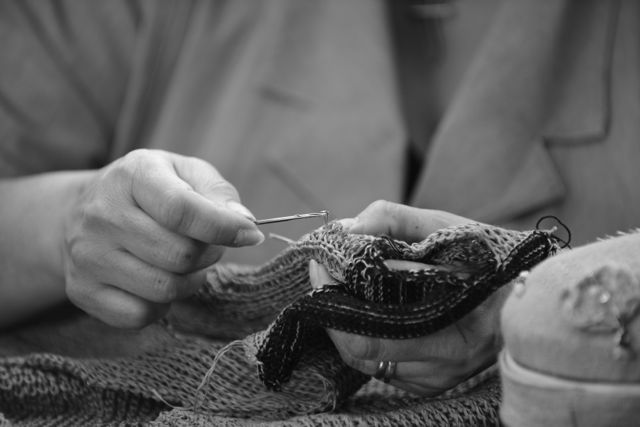
Italian Artisans
In Italy, there are about 1.24 million registered artisan businesses, broadly split across three sectors: manufacturing (21.3%), construction (38.6%) and services (38.9%) (Source: First Online).
Those working with fashion and design are in services, and despite their economic importance, the sector is gradually declining. This is due to a combination of factors: a lack of new blood willing to invest time in acquiring skills that some see as slow and old-fashioned, higher operating costs and bureaucracy, and the low prices of other ‘artisanal’ services produced overseas.
Value in Artisanship
Artisanal products by their very nature take longer to produce and cost more. That’s why an alignment with an international brand can be strategically important. A successful brand will absorb some of the costs and, via brand perception and marketing, command prices that the artisan brand might find hard to achieve alone.
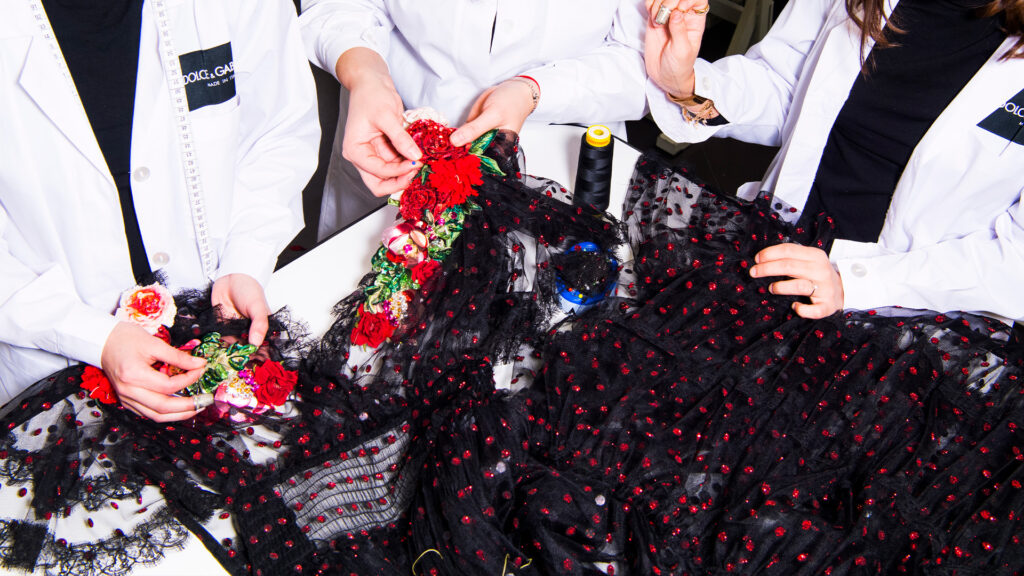
When it works well, it is a two-way street. The artisan gets exposure, recognition, and income; the brand elevates how it is perceived by its target audience. An example is Dolce&Gabbana and its relationship with Sicilian artisans. When you think of Dolce&Gabbana, you automatically see bright, vibrant colours; delve a little deeper, and you enter a world of Sicilian artisanship featuring ceramics, carts and decorative art.
Artisanship and the supply chain
Another way of looking at this is the supply chain. Respected and talented artisans are part of a brand’s supply chain, whether they are based in a specific region or scattered across the country. Wherever they are, they need to be supported and managed, and in some instances, the brand may purchase the artisan.
In 2010, Stefano Ricci purchased Antico Setificio, the silk fabric manufacturer and in 2025, Moleria Locchi, a fine crystal and glassware producer. In doing so, Ricci not only offered financial security to each business but also signalled a commitment to the lasting value of artisanship both to the main business and as a standalone service. As we discuss later with Gucci and Brunello Cucinelli, the artisanal supply chain is an important feature for all the main luxury Italian brands.
Artisan or Craftsman?
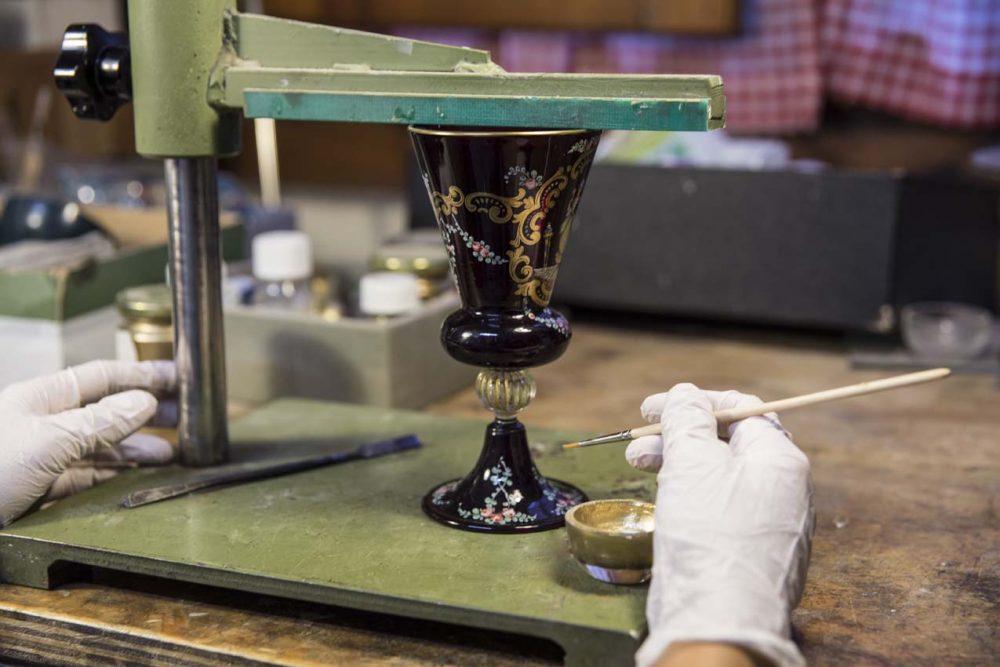
Artisanship often gets confused with craftsmanship. Each is different. Whilst both the artisan and the craftsman make things by hand, artisanship has a stronger artistic and cultural dimension. For the artisan, there is an emphasis on heritage, tradition and originality. There is also a closer connection between the creator and the object, and the production of specialised pieces created with sensitivity and patience. The craftsman, in contrast, focuses on the execution, quality and finish of a product, whether it is a tailored jacket, a leather handbag or a shoe.
Artisans like to stand apart from the crowd and take pleasure in not belonging to the mainstream. You only know about them if you are in the know, hear about them, or go in search of something specific.
In Florence, where Made in Academy runs courses, you will find plenty of artisan businesses that embody the artisan spirit.
Spectacular handmade jewellery from Tommasso Pestelli
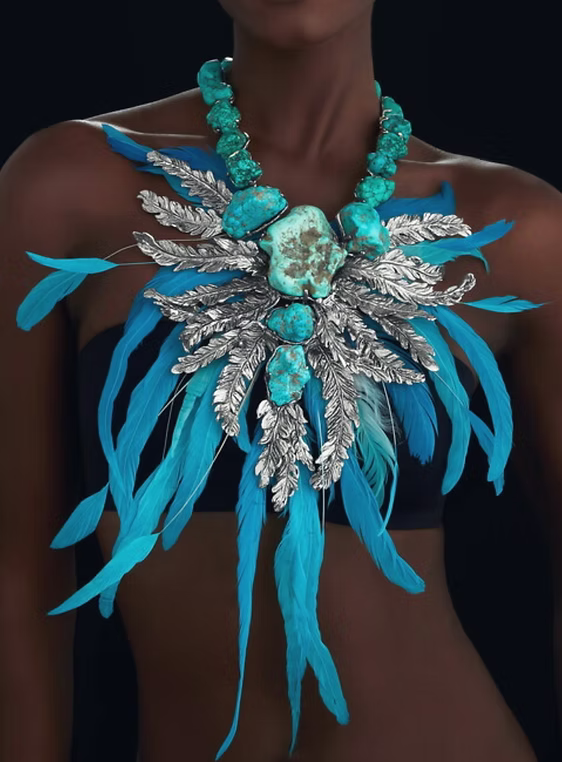
Theatrical fashion from the featherworker Duccio Mazzanti
Distinctive straw hats by Grevi
Elegant bespoke shoes from Stefano Bemer
This is just the tip of the iceberg. Wander through the streets of Florence and you will find plenty, or go online and follow The Content Atelier on Instagram.
The Price of Artisanship
Artisanship comes at a cost. The artisan represents a bold stand against cheap labour costs in Eastern Europe and the Far East. As such, artisans can never compete on price. Instead, their focus is always on quality, tradition and exclusivity. This comes at a price to the consumer and is what makes “Made in Italy” more than just a label. It is a signifier of something distinct from the mainstream.
Think of “Made in England”, “Made in Paris” and “Made in China” and they each signify something, depending on who you are and your perception of the culture. However, when it comes to fashion and design, “Made in Italy” stands head and shoulders above the others. Ask yourself why, and you realise it goes back to the tradition of artisanship, quality and heritage. It’s why artisans play such an important role in brand marketing and communication.
How Brands Work with Artisans
Explore this world, and you will discover how brands work with artisans in one of three ways:
- Facilities management – tanneries, workshops or studios owned by the brand in which artisans work.
- Joint ventures – a long-standing venture with an established artisan in which the brand has a significant investment, i.e. 51%.
- Networks – relationships with a series of small artisans that work exclusively for the brand.
Gucci takes such an approach with a network of Tuscan artisans, primarily those who work in leather.
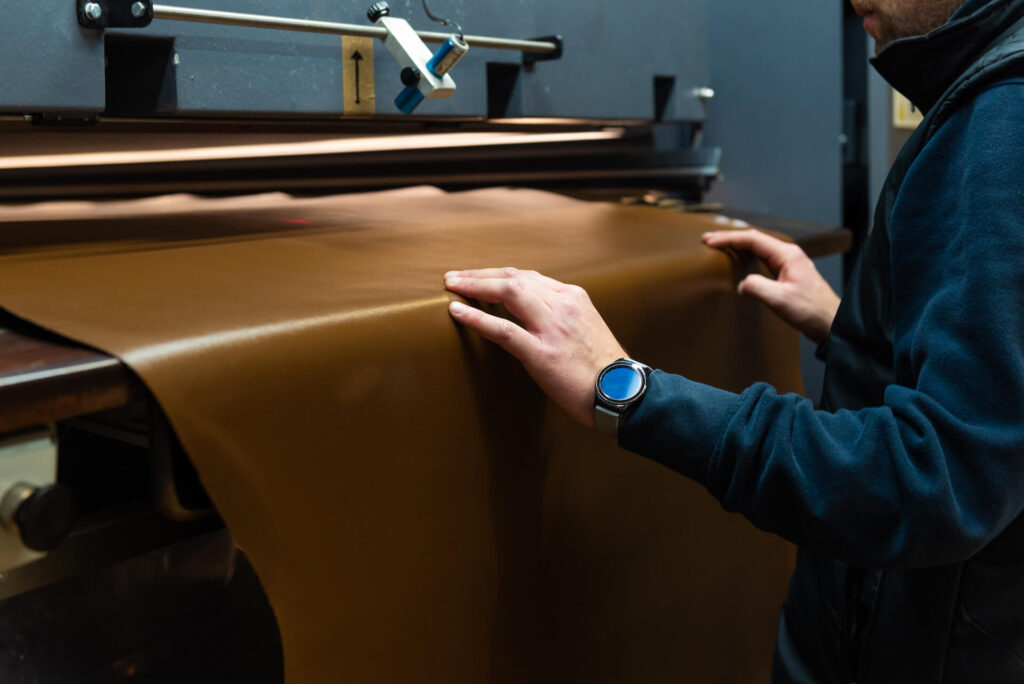
Brunello Cucinelli does it with Umbrian artisans, but with those who specialise in luxury yarns and woven fabrics. This means the supply chain is regional, allowing the brand to keep a close eye on quality and the preservation of artisanal skills.
The approach means that the artisan supports the brand in four ways:
- Traceability – the brand can demonstrate where its products are made, how they are made, what elements are used, and sometimes, who the artisan or craftsman was.
- Skills preservation – the brand demonstrates that it is protecting ancient creative techniques and making them relevant for current and future consumers.
- Business preservation – by investing in a respected artisan business, the brand signals it is a steward of regional and national heritage.
- Place – the brand strengthens its association with a specific region of Italy, which in turn arouses consumer interest and curiosity.
Each leads to enriched storytelling about the brand in terms of it being more than just a luxury retailer but a force for good.
Artisanal ‘Place’ as a brand identity pillar
‘Place’ is an important brand identity pillar. For Gucci, it’s about its artisanal partners in Tuscany who specialise in leather; for Brunello Cucinelli, it’s about partners in Umbria with expertise in yarns and fabrics.
For Gucci, such suppliers are spread across three of Tuscany’s leather-working districts:
- Florentine–Scandicci axis — Gucci headquarters at Casellina and the ArtLab; surrounded by dense networks of small leather-goods workshops.
- Amiata–Valdarno belt (Siena’s Chianti hills, Arezzo’s Valdarno, Mount Amiata) where there are high-end leather-goods specialists, including GARPE (Piancastagnaio) and GPA (Figline Valdarno).
- The Santa Croce sull’Arno / Valdarno Inferiore tanning district between Florence and Pisa, one of Italy’s principal leather-tanning hubs, home to the Colonna Group tanneries and Caravel.
Brunello Cucinelli’s network of suppliers are ‘facionisti‘, small to medium-sized Umbrian workshops responsible for specialist stages of knitwear production covering hand-finishing, embroidering and pressing. There are up to 400, with around 70% based in Umbria.
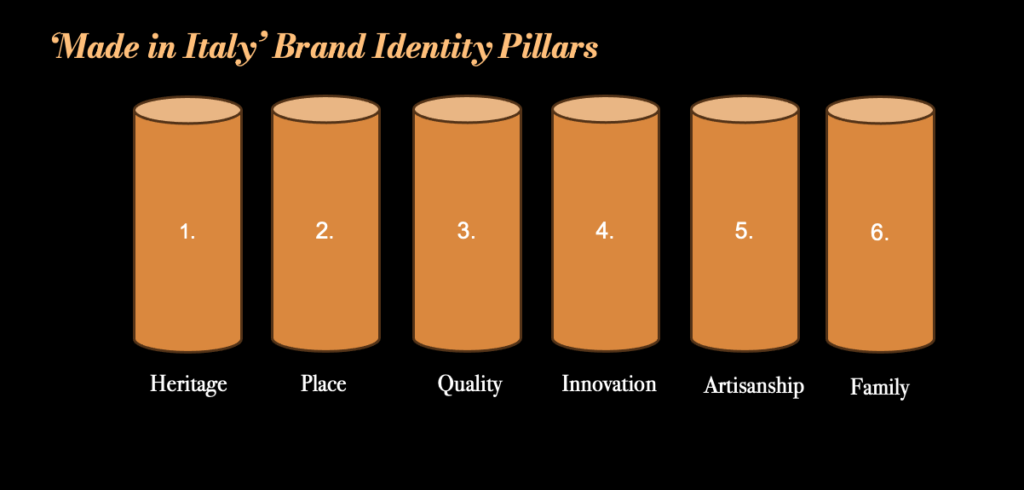
Not all luxury brands publicly document the names of their suppliers. Those that do, like Gucci and Brunello Cucinelli, do it to enhance brand perception and personality, not only for the sake of transparency. It is all part of being an international “Made in Italy” brand in which artisanship and place work alongside the pillars of heritage, quality, innovation and family.
Conclusion
Italy’s artisans are an important part of its economy and shape why consumers perceive Italy as a provider of fine goods. International luxury brands would not survive without their network of artisans, and the artisans would find life very hard without their patronage or support. When managed correctly, it is a profitable symbiotic relationship in which everyone benefits: the brand, the artisan, the consumer and the economy.
The “Made in Italy” Marketing & Branding Programme
“Made in Italy” is a cultural business learning programme for those who own or promote a business in the luxury fashion, design, or artisan sectors and who seek world-class expertise.
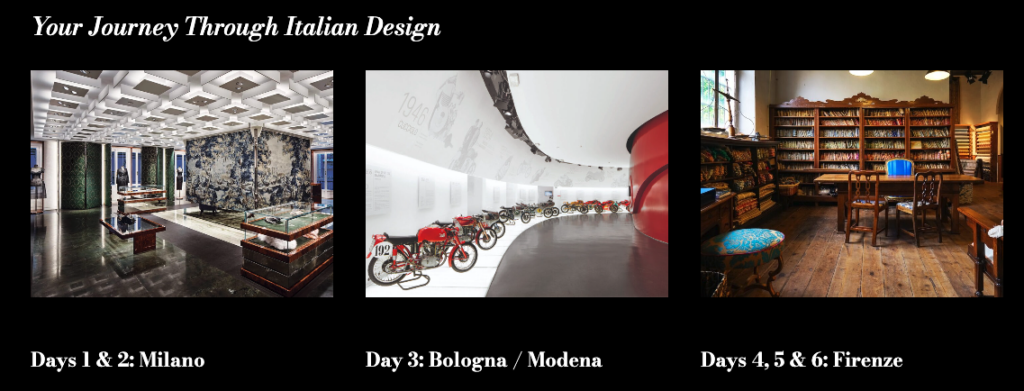
It’s an immersion into the branding and marketing of Italian luxury brands, built around fashion, design and craftsmanship. Over six days, you are part of an event that begins in Milan and ends in Florence.
Through Made in Academy’s network of contacts, you’ll decode the DNA of Italian creativity, complete project work, network with business leaders and leave with actionable ideas. You’ll listen to and meet speakers from international brands such as Gucci, Dolce&Gabbana, Balenciaga, etc., as well as Florentine business owners, and professors from Polimoda in Florence.
Next Event
- 26 – 31 October 2026
Related Articles
Made in Italy as a Strategy: What Fashion Entrepreneurs can learn from Stefano Ricci
The Fashion Family as part of Brand Identity
“Made in Italy” Marketing – An Open Door to Branding Excellence